Skip to content

Cart

Your cart is empty

The Science of Pawever

Formulated to the species.
Dosed to the research.

Cats and dogs don't age the same way, so they don't get the same formula. Every Pawever supplement is built ingredient by ingredient from published research, at doses we print on the label, and tested before it reaches your pet.

100%Doses on the label.
No proprietary blends.
2Species-specific
Pawever Plus formulas
15Actives with the published
research linked below
EveryBatch third-party tested
for heavy metals

Our Standard

An effective pet supplement demands care and thought. These are the four rules every Pawever formula has to pass.

  1. 01

    Formulated to the species

    Cats need taurine they can't make for themselves. Dogs get boswellia, a joint botanical cats find too bitter to eat. We build separate formulas rather than one template with a different label.

  2. 02

    Studied doses, not a sprinkle of everything

    If an ingredient is on our label, it's there at a level the literature supports. Every dose is printed on the bottle. No proprietary blends, nothing hidden behind the word "complex".

  3. 03

    Evidence, clearly labelled

    Some research is done in cats and dogs, some in other mammals. We show you which is which for every ingredient, so you can judge the evidence for yourself.

  4. 04

    Tested before it reaches your pet

    Made in an FDA-registered, GMP-compliant facility, with every batch independently tested at a third-party laboratory for heavy metals and contaminants.

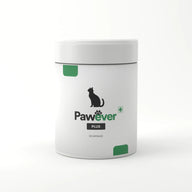
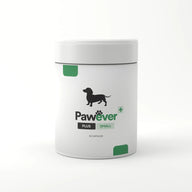
Pawever Plus

Our flagship daily supplement for joints, energy and healthy ageing. Choose your pet to see every active ingredient, its dose, what it does and where the evidence comes from.

Joints & Mobility

Green lipped mussel, PEA, undenatured type II collagen, hyaluronic acid, manganese

NAD⁺ & Cellular Energy

NMN, CoQ10, L-carnitine, vitamin B12

Heart, Eyes & Brain

Taurine, CoQ10, NMN

Antioxidant Defence

Vitamin E, CoQ10, manganese

Active IngredientPer Capsule
Green Lipped MusselJoints200mg

Sourced only from New Zealand Perna canaliculus. Rich in the rare omega-3 ETA plus EPA, DHA and glycosaminoglycans that support joint lubrication and a healthy inflammatory response.

Studied inCatsDogs
Palmitoylethanolamide (PEA)Joints150mg

A fatty acid amide the body produces on demand in response to tissue stress. It activates the PPAR-α receptor and calms overactive immune cells, supporting joint comfort and mobility.

Studied inCatsOther mammals
TaurineHeart & Eyes100mg

Essential for cats, who make very little themselves and lose it continually through bile. Supports healthy heart muscle function and retinal health.

Studied inCats
L-CarnitineEnergy100mg

Transports fatty acids into mitochondria to be burned as fuel. Studied in cats for maintaining lean muscle and healthy fat metabolism.

Studied inCats
NMNNAD⁺ & Longevity80mg

A direct precursor to NAD⁺, the coenzyme behind cellular energy and DNA repair that declines with age. Lipid-coated to help protect its stability.

Studied inDogsOther mammals
Undenatured Type II CollagenJoints40mg

Keeps its native triple-helix structure and works through oral tolerance in the gut, helping moderate the immune activity that contributes to cartilage breakdown.

Studied inDogs
Coenzyme Q10Heart & Energy30mg

An essential electron carrier in mitochondrial energy production and a membrane antioxidant. Delivered in an enhanced-absorption form.

Studied inOther mammals
Hyaluronic AcidJoints25mg

A key component of synovial fluid and cartilage that gives joints their cushioning and smooth movement.

Studied inDogs
Vitamin EAntioxidant10mg

The primary antioxidant in cell membranes. Supports immune health and helps protect the formula's delicate fats from oxidation.

Studied inDogs
Manganese SulphateJoints & Antioxidant3mg

A cofactor for the enzymes that build cartilage, and for MnSOD, the main antioxidant enzyme inside mitochondria. Provides 0.98mg elemental manganese.

Studied inNutrient guidelines
Vitamin B12Energy0.25mg

Essential for turning fats and proteins into energy and for healthy nerve function. Senior cats are prone to lower B12 status.

Studied inCats

Inactive ingredients: HPMC capsule, hydrolysed chicken liver digest, rice starch, silicon dioxide, mixed tocopherols.

What's new in Pawever Plus for Cats

From October 2026, all bottles come with our upgraded formula. Here's exactly what we changed in the latest cat formula, and why.

+Added

Palmitoylethanolamide (PEA) 150mg

A lipid mediator the body produces to resolve inflammation, now the centrepiece of our joint support.

Undenatured Type II Collagen 40mg

Replaces collagen peptides. Works through oral tolerance, so it works at a small, targeted dose.

Vitamin B12 0.25mg

Senior cats are prone to lower B12 status as gut absorption becomes less efficient.

↑Upgraded

Green Lipped Mussel 150 → 200mg

A higher dose, now sourced from New Zealand only.

Coenzyme Q10 10 → 30mg

Tripled, in an enhanced-absorption form.

NMN Lipid-coated

Coated to help protect the molecule's stability.

Capsule & flavour HPMC · Chicken liver

Plant-based capsules and a hydrolysed chicken liver flavour cats are drawn to.

−Removed

Glucosamine

Replaced by PEA and undenatured type II collagen, which target joint comfort through different, more efficient mechanisms at smaller doses.

Concentrated Fish Oil

At 40mg it wasn't delivering a high enough omega-3 dose. We have, for this reason, transitioned fish oil into a separate product - our Pawever Omega Oil.

The Research

We only choose ingredients supported by peer-reviewed research. Below are the key studies behind each active, with their design, outcomes and links to the published papers. Every entry shows which formula it's in, and where the evidence comes from.

CatsDogs

Studied directly in the species it's formulated for. Our strongest level of evidence.

Other mammals

Mechanistic or safety research in other species. Supportive, and labelled as such.

Nutrient guidelines

Essential nutrients with established requirements in animal nutrition.

NMN (Nicotinamide Mononucleotide) NMN (Nicotinamide Mononucleotide) CatsDogs
Studied inDogsOther mammals

Is NMN safe for pets?

The primary canine-specific safety reference is a 2020 study published in Frontiers in Pharmacology (You et al., "Subacute Toxicity Study of Nicotinamide Mononucleotide via Oral Administration"). This study specifically tested oral NMN administration in beagle dogs over 14 days at high doses, finding that NMN was well tolerated with no adverse clinical symptoms — no vomiting, diarrhoea, or lethargy. At the highest doses tested, only mild and transient increases in creatinine and uric acid were observed, while liver function markers remained unaffected. The study concluded that oral NMN has mild or minimal adverse effects and established a reference dose range for safe oral administration. It is important to note that the doses used in this study were substantially higher than typical supplemental doses — which provides a useful safety margin under real-world conditions.

Separately, a 2024 study published in Aging Cell (Zeng et al.) administered NMN to aged dogs as one of several interventions in a controlled study examining anti-ageing approaches in canine subjects. NMN was well tolerated across the treatment period, and the study identified measurable reductions in inflammatory markers IL-6 and TNF-α in treated dogs.

Two further peer-reviewed toxicology studies reinforce the safety picture, conducted in rats under rigorous OECD guidelines. Cros et al. (2021), published in Food and Chemical Toxicology, evaluated NMN over a 90-day sub-chronic oral administration period and found it was not mutagenic or genotoxic, with a No-Observable Adverse Effect Level (NOAEL) established at or above 1,500 mg/kg/day. A second 90-day rat study, Yu et al. (2024) in Current Research in Toxicology, similarly found NMN non-mutagenic, with an acute oral LD50 greater than 2,000 mg/kg body weight. While these studies were conducted in rats rather than dogs or cats, they provide important supporting evidence on the general toxicological profile of NMN at sustained doses.

On kidney function specifically: the mild creatinine elevation observed in the 2020 beagle study occurred only at very high doses and was not considered clinically significant in the healthy dogs studied. However, pets with pre-existing kidney disease represent a different risk profile from those in safety studies, and any supplement that may influence renal markers warrants veterinary oversight in those animals. Similarly, dogs on long-term medication or with complex health conditions should be assessed by a vet before starting NMN supplementation.

Likewise for cats, vet involvement is particularly important for cats with kidney disease, liver conditions, or those on ongoing medication.

As with any supplement, some dogs and cats may experience mild digestive adjustment when NMN is first introduced. If vomiting, diarrhoea, or lethargy persists beyond the first few days, we recommend discontinuing use and consulting your vet.

Heart Health

Mitochondrial decline is a key factor in heart disease. A 2017 study, “Short-term administration of Nicotinamide Mononucleotide preserves cardiac mitochondrial homeostasis and prevents heart failure”, found that NMN supported mitochondrial function and helped protect against heart failure in mice. While the work was conducted in rodents, the mechanisms involved — mitochondrial stability and energy production — are highly relevant to canine heart health.

Vascular Function

Vascular aging is linked to stiffness, oxidative stress, and poor circulation. In a 2016 paper published in Aging Cell, “Nicotinamide mononucleotide supplementation reverses vascular dysfunction and oxidative stress with aging in mice”, NMN was shown to restore vascular elasticity and reduce oxidative stress. A separate 2020 toxicity study also observed lower blood lipid levels, including total cholesterol and triglycerides, in animals supplemented with NMN — both of which contribute to healthier cardiovascular function.

Metabolic Support & Diabetes

Metabolic decline is a hallmark of aging in both humans and pets. A 2011 study, “Nicotinamide mononucleotide, a key NAD⁺ intermediate, treats the pathophysiology of diet- and age-induced diabetes in mice”, reported that NMN improved insulin sensitivity and glucose tolerance. These findings suggest NMN could have a role in supporting pets with age- or diet-related glucose regulation challenges.

Cognitive Function & Aging

Oxidative stress and mitochondrial dysfunction are also central to age-related cognitive decline. In a 2017 study, “Nicotinamide mononucleotide inhibits JNK activation to reverse Alzheimer disease”, NMN supplementation improved cognition and reduced amyloid plaque burden in mice. This, combined with evidence from the 2018 review “Therapeutic Potential of NAD-Boosting Molecules: The In Vivo Evidence” (Rajman, Chwalek & Sinclair), highlights NMN’s broader role in maintaining NAD⁺ levels and potentially slowing aspects of neurological aging — making it an intriguing candidate for supporting pets with cognitive decline.

Green Lipped Mussel (Perna canaliculus) Green Lipped Mussel (Perna canaliculus) CatsDogs
Studied inCatsDogs
  • A study feeding GLM-supplemented diet for 45 days to dogs with arthritis showed clinical improvements in signs such as pain, swelling, and crepitus versus baseline.
  • In a blinded placebo-controlled trial (101 dogs) using a combination of GLM + krill oil extracts (EAB-277) vs NSAIDs/other extracts, GLM combination delivered significant pain relief in dogs with hip osteoarthritis.
  • In cats, Lascelles et al. (2010, Journal of Veterinary Internal Medicine) evaluated a therapeutic diet containing green lipped mussel extract alongside EPA/DHA and glucosamine/chondroitin in cats with degenerative joint disease. Cats on the diet became more active than those on a control diet.
Palmitoylethanolamide (PEA) Palmitoylethanolamide (PEA) Cats
Studied inCatsOther mammals

Palmitoylethanolamide (PEA) is an endogenous fatty acid amide from the ALIAmide family, produced by the body on demand in response to tissue stress. It acts on the nuclear receptor PPAR-α and down-regulates mast cell activation, helping resolve the local inflammatory signalling behind discomfort rather than masking it.

Undenatured Type II Collagen Undenatured Type II Collagen Cats
Studied inDogs

Undenatured type II collagen is processed at low temperatures so it keeps its native triple-helix structure. Rather than acting as a building block, it works through oral tolerance: intact collagen is recognised by immune tissue in the gut (Peyer's patches), which signals regulatory T cells to help moderate the immune activity that contributes to cartilage breakdown. That's why it works at small daily doses.

Taurine Taurine Cats
Studied inCats

Cats have very limited ability to synthesise taurine and rely on it exclusively to conjugate bile acids, creating a continuous daily loss that must be replaced through diet.

  • Pion et al. (1987, Science) identified low plasma taurine as a cause of dilated cardiomyopathy in cats, and showed the heart muscle dysfunction was reversible with taurine supplementation. This finding changed how commercial cat food is formulated worldwide.
  • Hayes, Carey & Schmidt (1975, Science) linked taurine deficiency in cats to retinal degeneration, establishing taurine's role in feline eye health.
L-Carnitine L-Carnitine Cats
Studied inCats

L-Carnitine shuttles long-chain fatty acids into mitochondria via the carnitine palmitoyltransferase system, where they're burned for energy.

  • Center et al. (2000, Journal of Veterinary Internal Medicine) studied oral L-carnitine in obese pet cats undergoing rapid weight loss, examining its influence on weight loss and liver fat metabolism.
  • By supporting efficient fat metabolism, L-carnitine helps cats draw energy from fat stores while sparing lean muscle, which is especially relevant as muscle mass declines with age.
Vitamin B12 Vitamin B12 Cats
Studied inCats

Vitamin B12 (cobalamin) is a cofactor for methionine synthase and methylmalonyl-CoA mutase, enzymes essential for methylation and for turning fats and proteins into usable energy. It also supports nerve function and red blood cell formation.

Glucosamine Glucosamine Dogs
Studied inDogs
  • Trials using glucosamine in canine osteoarthritis show measurable improvements in comfort, reduced lameness, especially in mild-to-moderate cases.
  • Other studies show slower progression of cartilage damage / symptoms when glucosamine + chondroitin are used as adjuncts to diet / other therapies.
Boswellia Serrata Boswellia Serrata Dogs
Studied inDogs

Boswellia serrata is rich in AKBA (acetyl-11-keto-β-boswellic acid), a compound known to inhibit the 5-LOX enzyme involved in chronic inflammation. In a 2004 veterinary study, “Dietary support with Boswellia resin in canine inflammatory joint and spinal disease” (Reichling et al., Schweizer Archiv für Tierheilkunde), 71% of dogs showed improvement in signs such as lameness and stiffness after just two weeks of a six-week supplementation trial.

Additional research in mammalian models supports these outcomes, with boswellic acids shown to reduce cartilage-degrading enzymes (MMPs) and calm joint inflammation. Together, these findings underline Boswellia’s capacity to support joint comfort and easier movement in dogs experiencing age- or activity-related stiffness.

Curcumin Phytosome Curcumin Phytosome Dogs
Studied inDogs

Curcumin is notoriously difficult for mammals to absorb, which is why we use the phytosome form (curcumin bound to phospholipids), designed to dramatically improve bioavailability compared with raw turmeric.

Mechanistically, curcumin modulates inflammatory pathways such as COX-2, NF-κB and oxidative stress markers — the same pathways implicated in canine osteoarthritis.

Concentrated Fish Oil Concentrated Fish Oil Dogs
Studied inDogs

While fish oil’s EPA and DHA are clinically shown to support joint comfort, pets require meaningful amounts — typically in the grams, not milligrams — to see real benefits. Most pet supplements include only 100–500 mg of fish oil, far below therapeutic levels. Pawever Plus for Dogs includes a moderate amount for its heart and brain support, and our cat formula leaves it out entirely. For a full clinical dose of EPA + DHA, we recommend Pawever Omega Oil alongside Pawever Plus.

Hyaluronic Acid Hyaluronic Acid CatsDogs
Studied inDogs
Coenzyme Q10 Coenzyme Q10 CatsDogs
Studied inOther mammals

Coenzyme Q10 is embedded in the inner mitochondrial membrane, where it carries electrons between complexes of the electron transport chain to produce ATP. In its reduced form it is also a lipid-phase antioxidant that protects cell membranes and helps regenerate vitamin E.

  • Crane (2001, Journal of the American College of Nutrition) reviewed CoQ10's biochemical functions in energy production and antioxidant protection.
  • Tissues with the highest energy demands, particularly heart muscle, rely most on CoQ10, and the body's own production declines with age. Most clinical research to date has been conducted in humans and other mammals.
Vitamin E Vitamin E CatsDogs
Studied inDogs
Manganese Sulphate Manganese Sulphate CatsDogs
Studied inNutrient guidelines

From paper to bowl

Great research is only the start. Here's how we make sure every studied ingredient survives manufacturing, stays potent on your shelf, and actually gets eaten.

Stability Testing 01

Stability Testing

Every batch is exposed to both accelerated and real-time conditions to confirm the actives remain potent throughout shelf life. By simulating heat and humidity, we ensure NMN and joint-support nutrients retain their integrity until the very last capsule.

Palatability Science 02

Palatability Science

A supplement only works if pets take it willingly. Our cat formula leaves out bitter botanicals entirely and uses a hydrolysed chicken liver flavour, and every capsule can be opened and sprinkled over food — making daily supplementation stress-free for owners and enjoyable for pets.

Encapsulation & Carriers 03

Encapsulation & Carriers

Sensitive actives are protected from oxidation, moisture and processing stress. Our NMN is lipid-coated, our cat formula uses plant-based HPMC capsules, and natural mixed tocopherols help guard delicate fats — so ingredients reach your pet in their most effective form.

Precision Dosing 04

Precision Dosing

Each formula is carefully calibrated to the species and to body-weight bands to ensure accurate delivery of nutrients, avoiding under- or over-supplementation and giving pets the optimal amount of support for their size and stage of life.

Pawever capsule in a petri dish
Every batchindependently tested

Tested before it reaches your pet

A formula is only as good as what's actually in the bottle. That's why testing is built into every step, not bolted on at the end.

01

Heavy Metal + Contaminant Testing

Every batch is independently tested to ensure it’s free from heavy metals and harmful contaminants. That means your pet gets only the purest, safest supplements.

02

Quality Control

We also verify our NMN purity to ensure it meets human-grade standards. All Pawever supplements are produced in cGMP and HACCP-certified facilities for complete quality assurance.

03

Global Quality Adherence

We exceed the requirements set by Australian regulators and align with international best practices. Our goal is simple: to deliver human-grade supplements, designed for pets.

cGMPHACCPFDA-registered facilityUS third-party lab tested

More Formulas

Built to the same standard, designed to work alongside Pawever Plus or on their own.

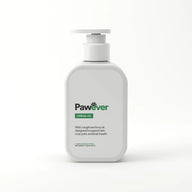
Omega Oil For Pets

Omega Oil

Dogs & Cats · 100% Peruvian anchovy oil

Omega-3s only work at the right dose, and a capsule can't hold enough. Every pump delivers a clinical dose of EPA + DHA for skin and coat, brain health and joint mobility. Protected from oxidation with natural astaxanthin and mixed tocopherols.

EPA + DHAAstaxanthinVitamin E
Shop Omega Oil
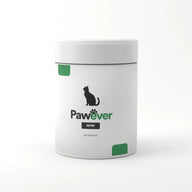
NMN for Cats

NMN for Pets

Dogs & Cats · Single-ingredient NAD⁺ support

Pure NMN for pets who need cellular energy and healthy-ageing support without a full joint formula. NMN is a direct precursor to NAD⁺, which declines with age, and has been studied for safety in dogs.

NMNNAD⁺ supportSingle ingredient

Backed by science, driven by love. Backed by science, driven by love. Backed by science, driven by love. Backed by science, driven by love. Backed by science, driven by love. Backed by science, driven by love. Backed by science, driven by love. Backed by science, driven by love. Backed by science, driven by love. Backed by science, driven by love.