


Longevity Supplements for Cats: What's Worth It in 2026 (and What to Avoid)
27 September 2026 · Educational only; not a substitute for veterinary advice. Pawever makes Pawever Plus for Cats and NMN for Cats, which are mentioned below.
The best longevity supplement for a cat is cat-specific, doses each ingredient in disclosed mg, targets the systems that change most with age (cellular energy, joints and muscle), and leaves out ingredients cats handle poorly. What a good one can do is support healthy ageing, so the years a cat has are more active and comfortable.
At a glance
- "Longevity" in cats is really about healthspan: mobility, muscle, energy and the early detection of age-related disease.
- The most useful ingredients target cellular energy (NMN, CoQ10, L-carnitine), essential feline nutrients (taurine) and joints.
- Cats metabolise some plant compounds very differently from dogs and people, so shared dog-and-cat "longevity" formulas deserve a closer look.
- Twice-yearly vet checks after age 10 are critical for a cat's lifespan.
In this guide
- Can a supplement make my cat live longer?
- Which ingredients have a real rationale for healthy ageing in cats?
- Why can't cats just take a dog or human longevity supplement?
- What should I check before buying a cat longevity supplement?
- What is the best longevity supplement for cats?
- Frequently asked questions
Can a supplement make my cat live longer?
No supplement has been shown in controlled studies to extend a cat's lifespan, and any brand claiming it will is overstating the evidence. What the research does support is that several age-related changes can be supported nutritionally: joint health, muscle mass, cellular energy and antioxidant defences. The biggest proven factors in a cat's lifespan are still healthy weight, hydration, dental care, and catching conditions such as kidney disease early. See our senior cat care guide.

Which ingredients have a real rationale for healthy ageing in cats?

| Ingredient | Why it's used | Strength of cat-specific evidence |
|---|---|---|
| Taurine | Essential for cats; heart, eyes and muscle | Strong (cats can't make enough) |
| L-carnitine | Fat metabolism and lean muscle | Moderate (studied in cats for weight and body composition) |
| Omega-3s (EPA, DHA) | Joints, skin, brain | Moderate |
| Green lipped mussel, UC-II collagen | Joint support | Emerging |
| CoQ10 | Mitochondrial energy, heart | Limited in cats; stronger in other species |
| NMN (NAD+ precursor) | NAD+ declines with age and drives cellular energy and repair | Early: safety data in dogs and rodents, no published controlled trials in cats yet |
We think honesty about the evidence matters. NMN is the most exciting ingredient in this category and the least proven in cats. See is NMN safe for cats? for the detail.
Why can't cats just take a dog or human longevity supplement?
Cats are obligate carnivores with a different metabolism. The most important difference for supplements: cats lack a functional UGT1A6 enzyme, which limits glucuronidation, the main route by which people and dogs clear many plant polyphenols and some drugs (Court and Greenblatt, 2000). This is why paracetamol is toxic to cats. A 2017 study found cats did not produce the glucuronide metabolites of resveratrol that other species do (Burnett et al., 2017).
That doesn't make every polyphenol unsafe for cats, but feline safety data for many of them are thin. It's why we leave resveratrol and berberine out of our cat formulas, and why a formula sold for both dogs and cats at weight-banded doses deserves careful reading.
What should I check before buying a cat longevity supplement?
- Is it made for cats? Not a dog or shared formula with a smaller scoop.
- Is every dose disclosed in mg? Avoid proprietary blends.
- Does it include ingredients cats handle poorly? Ask about polyphenols such as resveratrol, and about garlic, onion and xylitol, which are toxic to cats.
- Is it independently tested for contaminants and actual ingredient content?
- Will your cat take it every day? A sprinkle powder with a palatant is easier than a pill for most cats.
- Has your vet cleared it if your cat has kidney disease or takes medication?
What is the best longevity supplement for cats?

There's no single best for every cat, but the strongest options combine ingredients with a real feline rationale at disclosed doses, in a format a cat will accept daily. Our approach:
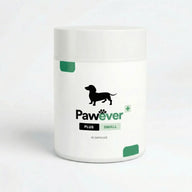
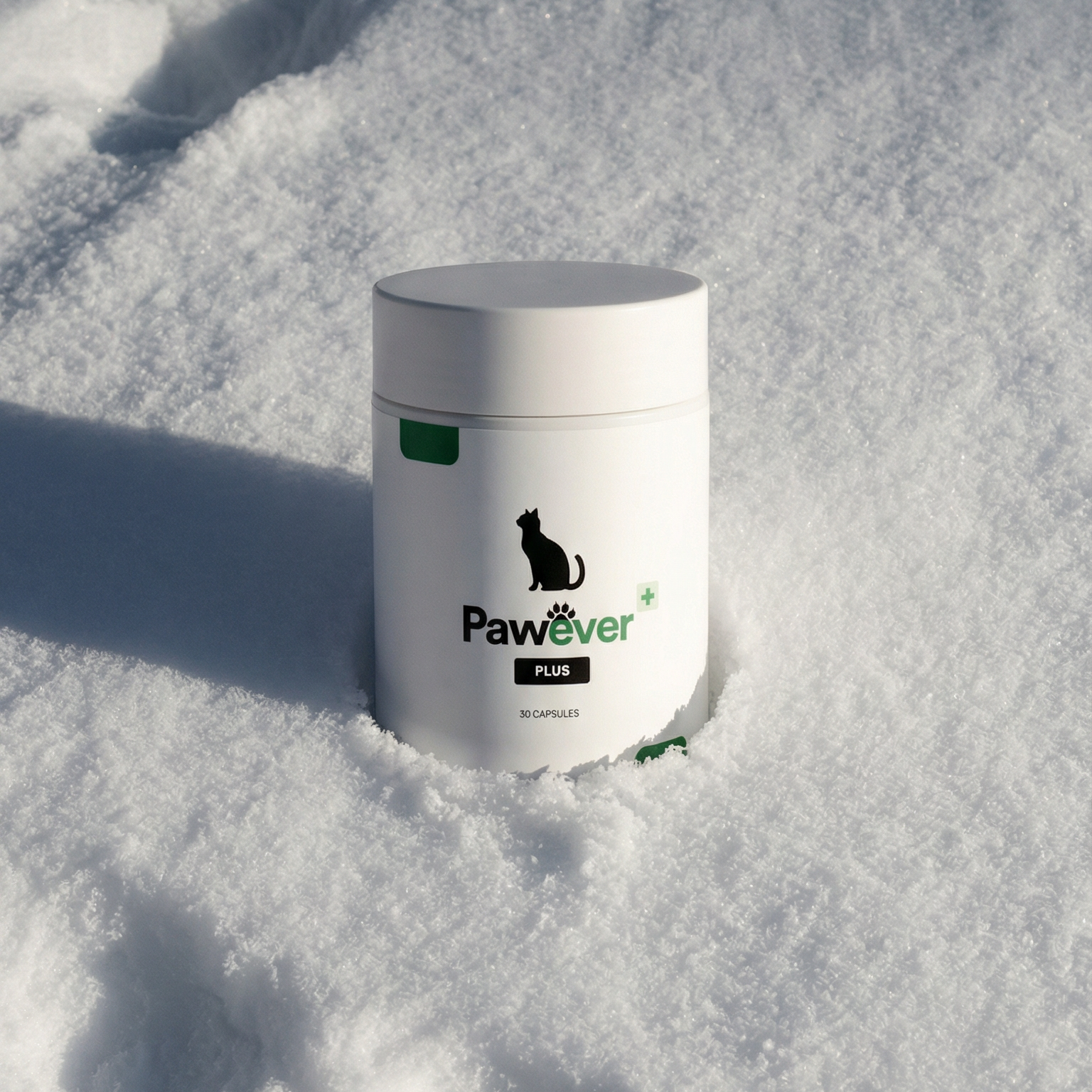
- Pawever Plus for Cats (Formula 3.0) combines healthy-ageing ingredients (NMN 80 mg, CoQ10 30 mg, taurine 100 mg, L-carnitine 100 mg, vitamin B12) with joint support (green lipped mussel 200 mg, PEA 150 mg, UC-II collagen 40 mg, hyaluronic acid 25 mg) in one sprinkle capsule a day. It is our main recommendation for cats over about 7.
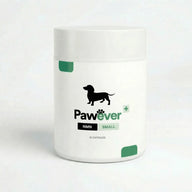
- NMN for Cats is a single-ingredient option (80 mg NMN per capsule) for owners who want NAD+ support on its own, or who already use a separate joint product.
Both are cat-only formulas with no resveratrol, every batch is independently tested, and both carry a 60-day money-back guarantee. For how Pawever Plus compares with other options, see our cat supplement comparison.
Frequently asked questions
At what age should my cat start a longevity supplement?
Many owners start around 7 to 9 years old, when cats move from mature to senior. There's no benefit in starting kittens or young adults on a longevity supplement.
Is NAD+ or NMN good for cats?
NAD+ levels decline with age in the species studied so far, and NMN is a direct precursor. NMN has been studied for safety in dogs and rodents, but there are no published controlled trials in cats yet. Choose a cat-specific product with a disclosed dose and independent testing.
Is resveratrol safe for cats?
Feline safety data are limited. Cats lack a key enzyme (UGT1A6) used to clear many polyphenols, and a 2017 study found cats didn't glucuronidate resveratrol the way other species do. We don't include it in our cat formulas.
Can I give my cat a human anti-ageing supplement?
No. Human products can contain ingredients that are toxic to cats (for example xylitol, garlic or high-dose vitamin D) and doses meant for a 70 kg person.
Do longevity supplements help cats with kidney disease?
No supplement treats kidney disease. If your cat has been diagnosed, follow your vet's plan and check with them before adding anything. See supporting a cat with kidney disease at home.
Sources
- Court and Greenblatt (2000). UGT1A6 is a pseudogene in cats
- Burnett et al. (2017). Lack of glucuronidation products of trans-resveratrol in plasma and urine of cats
- You et al. (2020). Subacute toxicity study of nicotinamide mononucleotide (mice and beagle dogs)
- 2026 iCatCare consensus guidelines (senior health checks)
This product is not intended to diagnose, treat, cure, or prevent any disease.










Leave a comment
This site is protected by hCaptcha and the hCaptcha Privacy Policy and Terms of Service apply.