


Senior Cat Care Guide: Stiffness, Jumping Less and Low Energy
27 September 2026 · Educational only; not a substitute for veterinary advice. If your cat is unwell, in pain or has a diagnosed condition, please see your vet.
Cats are experts at hiding discomfort, so ageing usually shows up as small changes: a cat who used to leap onto the bench now climbs a chair first, grooms less along her back, or sleeps through the afternoon. This guide answers the questions owners of older cats ask most, with a direct answer first and the detail underneath.
Quick answers
- Stiffness and jumping less are common in older cats and often linked to age-related joint changes. They are not "just old age" to ignore.
- Start with a vet check, then make simple changes at home (steps, low-sided litter tray, warm bedding, healthy weight).
- A daily joint and healthy-ageing supplement can support mobility alongside those steps. Look for a formula made for cats, with doses listed in mg.
- Weight loss, drinking more, or a sudden drop in appetite or energy needs a vet visit, not a supplement.
In this guide
- When is a cat considered senior?
- My senior cat is stiff and doesn't jump up like she used to. What can I do to help her?
- Why has my older cat stopped jumping onto the bench or bed?
- My older cat is sleeping more and has less energy. Is that normal?
- What supplements help an older cat stay active and healthy?
- How can I help my senior cat live a longer, healthier life?
- Where does Pawever Plus for Cats fit in?
- Looking for a joint supplement for an older cat in Australia?
- Frequently asked questions
When is a cat considered senior?
Most vets treat cats as mature from about 7 years and senior from about 10. International Cat Care's 2026 guidelines recommend health checks every six months for cats over 10 and every year for cats aged 7 to 10 (iCatCare, 2026). A 12-year-old cat is roughly the equivalent of a person in their mid-60s.
My senior cat is stiff and doesn't jump up like she used to. What can I do to help her?
Short answer: book a vet check, make her environment easier to move around, keep her lean, and consider a daily joint-support supplement made for cats.
Reduced jumping is one of the most common signs of age-related joint changes in cats. In one radiographic study of 101 cats, 74% showed changes in their limb joints, and these were seen in most of the older cats examined (Kimura et al., 2020). Because cats rarely limp, owners tend to notice indirect signs:
- jumping less, or jumping in stages (chair, then bench)
- hesitating before jumping down
- grooming less, especially along the back and hips
- toileting just outside the litter tray
- sleeping more and playing less
- being grumpier when picked up or stroked over the hips
Step 1: see your vet. Your vet can confirm whether joint discomfort is the cause and rule out other problems. If your cat is in pain, there are prescription options that a supplement is not a substitute for.
Step 2: change the home. These make a noticeable difference and cost very little:
- pet steps or a ramp to favourite spots (sofa, bed, window sill)
- a litter tray with one low side
- food, water and litter on the same floor she sleeps on
- a warm, padded bed away from draughts
- short, gentle play sessions every day to keep muscles working

Step 3: keep her lean. Extra weight puts more load on every joint. Ask your vet for a target weight and weigh her monthly.
Step 4: add daily joint support. A supplement can support joint health and mobility as part of a routine. It works best alongside the steps above, not instead of them. See what to look for in a joint supplement for cats.
Why has my older cat stopped jumping onto the bench or bed?
Most often it's because jumping has become uncomfortable, not because she has lost interest. Jumping up loads the hips, knees and spine, which are among the joints most commonly affected in older cats. Some cats simply adapt by using a chair as a step. If she has stopped jumping altogether, or changed suddenly, see your vet.
My older cat is sleeping more and has less energy. Is that normal?

Some slowing down is normal: older cats sleep more and play in shorter bursts. What isn't normal is a noticeable change over weeks. A drop in energy together with any of the following needs a vet visit:
- weight loss, even if she is still eating well
- drinking or urinating more
- vomiting, a poorer appetite or a scruffy coat
- hiding or withdrawing
These can be signs of conditions that are common in older cats, including kidney disease, an overactive thyroid and diabetes. Read more: old cat getting skinny but still eating and supporting a cat with kidney disease at home.
If your vet finds nothing wrong, energy often improves with more activity (short daily play), a healthy weight, and support for mobility, since cats who are comfortable moving tend to move more.
What supplements help an older cat stay active and healthy?
The most useful supplements for senior cats support the systems that change most with age: joints, cellular energy and muscle. The ingredients most often used are:
| Ingredient | What it's used for in senior cats |
|---|---|
| Green lipped mussel | Joint health; a natural source of omega-3s and glycosaminoglycans |
| Undenatured type II collagen (UC-II) | Joint cartilage support at small daily doses |
| Omega-3s (EPA and DHA) | Joint comfort, skin and coat, brain health |
| Palmitoylethanolamide (PEA) | A naturally occurring fatty acid amide used for joint comfort |
| CoQ10 | Cellular energy and heart health |
| Taurine | An essential amino acid for cats; heart, eyes and muscle |
| L-carnitine | Fat metabolism and lean muscle |
| NMN | A precursor to NAD+, which declines with age and is central to cellular energy |
Three things matter more than the ingredient list:
- Made for cats. Many products sold for cats are dog formulas with a smaller dose. Cats metabolise some compounds very differently from dogs and people, so the formula should be designed for them.
- Doses in mg. A label should tell you how much of each ingredient is in a daily serving. "Proprietary blends" hide this.
- Independent testing. Ask for a certificate of analysis showing contaminants and ingredient content.
Our detailed guides cover CoQ10 for cats, taurine, L-carnitine, fish oil for cats and whether NMN is safe for cats.
How can I help my senior cat live a longer, healthier life?
The basics have the biggest effect, and none of them is a product:
| Habit | Why it matters |
|---|---|
| Vet check every 6 months, with blood and urine tests | Kidney disease, thyroid disease and high blood pressure are common and often silent early on |
| Keep a healthy weight | Less load on joints; lower risk of diabetes |
| More moisture in the diet | Wet food and water fountains help hydration |
| Dental care | Dental pain is common and often missed |
| Daily play and enrichment | Keeps muscle and mind active |
| Weigh monthly at home | Weight loss is one of the earliest warning signs |
| Targeted daily supplement | Supports joints, energy and healthy ageing |
Where does Pawever Plus for Cats fit in?
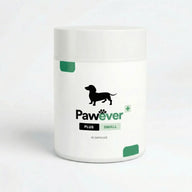
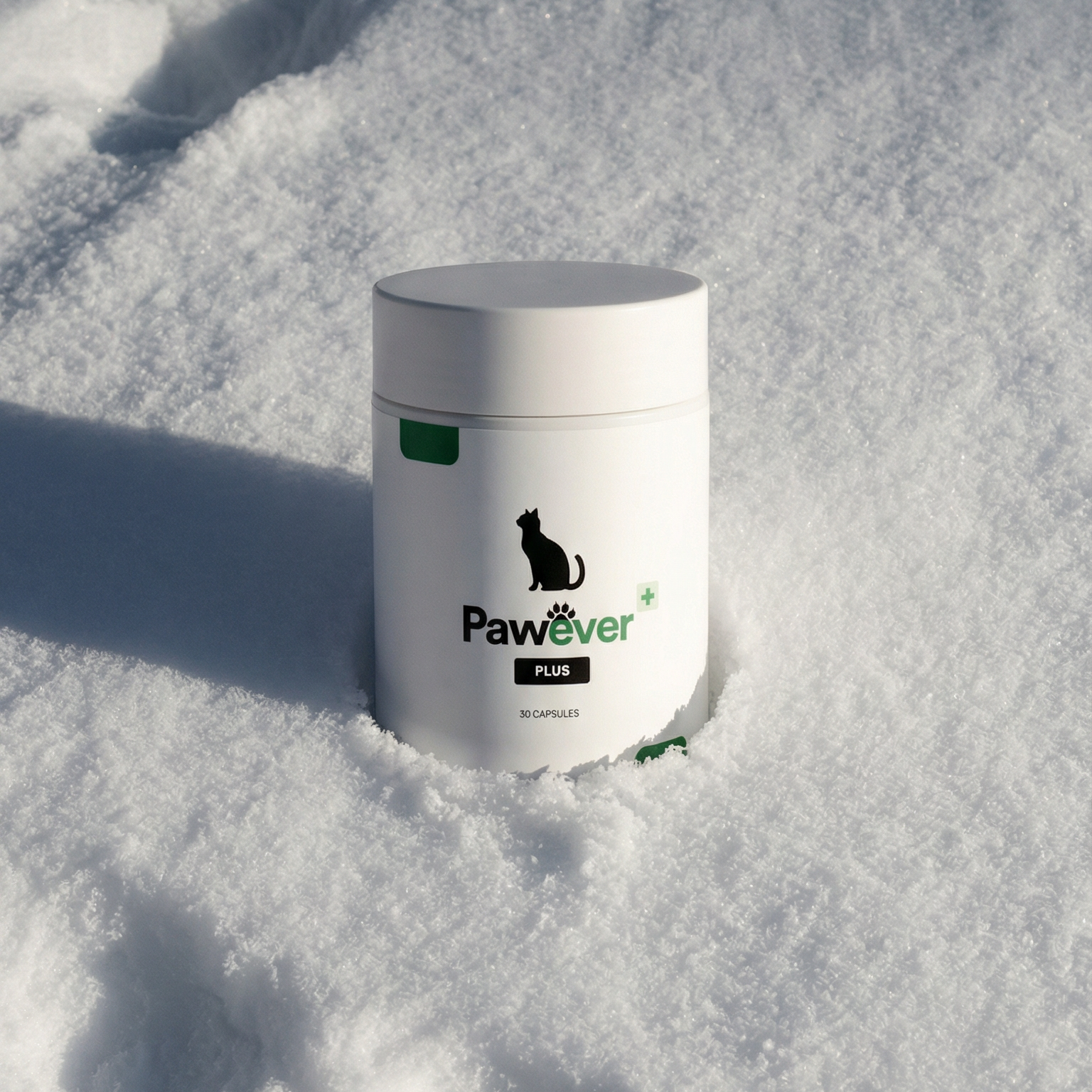
Pawever Plus for Cats is a once-daily capsule designed specifically for senior cats, to support joints and mobility, energy and healthy ageing. It is Formula 3.0, launched in September 2026, and it contains 11 actives with every dose disclosed:
| Active (per capsule) | Amount |
|---|---|
| Green lipped mussel powder | 200 mg |
| Palmitoylethanolamide (PEA) | 150 mg |
| Taurine | 100 mg |
| L-carnitine | 100 mg |
| NMN | 80 mg |
| Undenatured type II collagen | 40 mg |
| CoQ10 | 30 mg |
| Hyaluronic acid | 25 mg |
| Vitamin E | 10 mg |
| Manganese sulphate | 3 mg |
| Vitamin B12 | 0.25 mg |
How to give it: open the capsule and sprinkle the powder over food once a day. A hydrolysed chicken liver palatant helps fussy eaters. Many owners report changes in mobility and energy within about 4 weeks.

What it is not: it is not a medicine, and it doesn't replace pain relief or treatment your vet recommends. If your cat has a diagnosed condition or takes medication, check with your vet before starting.
Every batch is independently tested, and every purchase is covered by a 60-day money-back guarantee. Read about what changed in Formula 3.0.
Looking for a joint supplement for an older cat in Australia?
Pawever is an Australian brand, and Pawever Plus for Cats ships from our Australian warehouse with AUD pricing. Australian owners most often look for green lipped mussel, which comes from New Zealand waters; Pawever Plus contains 200 mg per capsule alongside UC-II collagen and PEA. We also ship globally, including to the US and UK.
Frequently asked questions
At what age should I start a senior supplement for my cat?
Many owners start around 7 to 9 years old, or earlier if they notice stiffness or jumping less. Starting before problems appear is reasonable, since joint changes are often under way before signs are obvious.
Can I give my cat a dog joint supplement?
It's not recommended. Doses are set for dogs, and some ingredients used in dog products are not well suited to cats, who metabolise some compounds differently. Choose a formula made for cats.
How long does a joint supplement take to work in cats?
Many owners report changes within about 4 weeks, with fuller effects over 6 to 8 weeks of consistent daily use. Keep a simple diary (jumps, play, grooming) so you can judge the change objectively.
My cat is stiff in the mornings but fine later. Should I worry?
Morning stiffness that eases as she moves is a common early sign of age-related joint changes. It's worth mentioning at her next vet check and a good time to make the home changes above.
Is it normal for a 14-year-old cat to sleep most of the day?
Older cats commonly sleep 16 hours or more. A sudden increase in sleep, or sleep combined with weight loss, drinking more or poor appetite, needs a vet check.
Can supplements replace pain relief for arthritic cats?
No. If your vet diagnoses painful joint disease, follow their treatment plan. A supplement can support joint health alongside it; ask your vet whether it suits your cat.
Sources
- 2026 iCatCare consensus guidelines on chronic kidney disease in cats (senior health check intervals)
- Kimura et al. (2020). Retrospective radiographic study of degenerative joint disease in cats
- Cornell Feline Health Center: chronic kidney disease
This product is not intended to diagnose, treat, cure, or prevent any disease.










Leave a comment
This site is protected by hCaptcha and the hCaptcha Privacy Policy and Terms of Service apply.