


NMN for Cats & Kidney Health
19 September 2026 · Reviewed for accuracy against current research · Educational only; not a substitute for veterinary advice.
If you’ve been researching NMN for cats, there’s a good chance it started with a diagnosis — or a worry. Perhaps your old cat is getting skinny but still eating, or a vet has mentioned early kidney disease.
NMN (nicotinamide mononucleotide) has become one of the most talked-about longevity compounds in both human and pet health, and cat owners naturally want to know: can it actually help, especially with kidney disease in cats?
We’re going to answer that as straight as we can — including where the science is genuinely promising, and where it simply doesn’t exist yet. Because when it comes to your cat’s kidneys, honesty matters more than hype.
In this guide
First, Why Kidney Disease Dominates the Conversation
Kidney disease in cats — usually chronic kidney disease (CKD) — is one of the most common conditions affecting older cats. It develops gradually, and the earliest signs are easy to mistake for normal ageing. Common CKD cat symptoms include:
- Drinking noticeably more water
- Urinating more, or larger clumps in the tray
- Gradual weight loss — often an old cat getting skinny but still eating normally
- Becoming picky, or eating less
- Occasional vomiting
- Lower energy, more sleeping, less jumping
- A duller, less-groomed coat
Vets often stage CKD in cats using the IRIS system (stages 1 to 4), and a common question is how long can a cat live with kidney disease?
The honest answer: it varies enormously with how early it’s caught and how well it’s managed. Cats diagnosed early, with good veterinary care, can often live several years — sometimes many. What consistently makes the biggest difference is early detection and a vet-led plan (which may include a renal diet, hydration support and phosphate management).

What Is NMN, and Why Are Cat Owners Interested?
NMN is a direct precursor to NAD⁺ — a molecule found in every living cell that’s essential for energy production, DNA repair and metabolic function. Here’s the catch: NAD⁺ levels naturally decline with age, in cats as in every mammal studied. As NAD⁺ falls, so does the cell’s capacity to make energy and repair itself.
The theory behind NMN for cats is simple: by supplying more of the raw material (NMN), you support the body’s ability to restore NAD⁺, and with it, the cellular energy and repair processes that fade with age. It’s why NMN sits at the centre of the longevity conversation, and why it appeals so strongly to owners of senior cats who want to support healthy ageing rather than just react to problems.
Does NMN Help Cats With Kidney Disease? An Honest Answer
This is where we part ways with a lot of the marketing you’ll see, because your cat deserves the real picture.
What the science genuinely supports:
- NAD⁺ decline is a well-documented feature of ageing, and NMN is an established NAD⁺ precursor.
- In rodent and human research, maintaining NAD⁺ has been linked to support for kidney tissue, metabolic health and cellular resilience.
- Interestingly, the NAD⁺ “salvage pathway” NMN feeds into is active in cats — vets already use a related compound (niacinamide) to help manage phosphorus in some CKD cats, which shows the underlying biology is relevant to the species.
What the science does not yet support — and we won’t pretend otherwise:
- There are no published clinical trials of NMN given to cats specifically, for CKD or anything else.
- No supplement — NMN included — treats, cures, reverses or slows kidney disease in cats. The evidence for that claim does not exist, and anyone telling you otherwise is ahead of the science.
So the honest framing is this: NMN is a healthy-ageing and cellular-energy support ingredient, not a kidney treatment.
For a cat whose CKD is being managed by a vet, NMN’s role — if any — is in supporting the everyday vitality and cellular function that decline with age, alongside (never instead of) proper veterinary care.
Where NMN Fits Into Feline Healthy Ageing
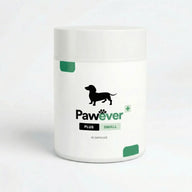
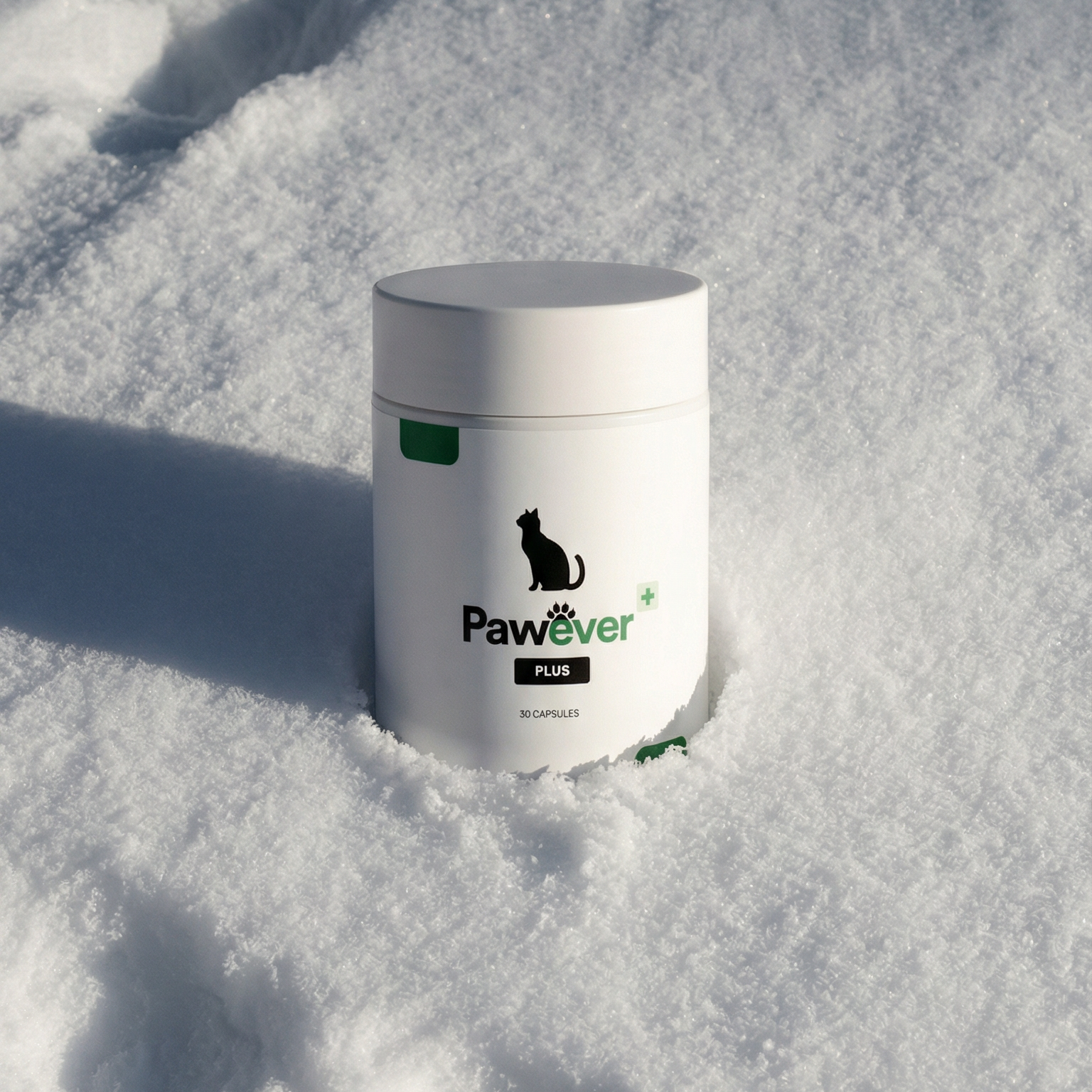
For the many senior cats who don’t have kidney disease — or whose CKD is early, stable and vet-managed — NMN is one of a small group of ingredients genuinely aimed at how cats age, rather than just masking symptoms. That’s why we build it into Pawever Plus for Cats, our daily sprinkle formula, using a lipid-coated form of NMN to support absorption, alongside taurine for heart and metabolic health, green lipped mussel and collagen for joints, and CoQ10 and L-carnitine for cellular energy.

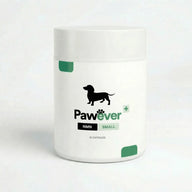
For owners who want a dedicated longevity product, we also make a stand-alone NMN for Cats.
You can read the deeper science of NAD⁺ and feline longevity in Senior Cat Supplements: NAD, NMN and Longevity Options, and our full testing standards on the Pawever Science page.
What Actually Helps a Cat With Kidney Disease
If your cat has been diagnosed, this is where your energy is best spent — and none of it starts with a supplement:
- Follow your vet’s plan. A prescription renal diet, hydration support, phosphate management and blood pressure control are the interventions with real evidence behind them.
- Prioritise water intake. Wet food, water fountains and multiple bowls all help.
- Weigh your cat regularly. Catching weight loss early matters — a skinny but still eating cat needs bloodwork, not guesswork.
- Re-check on schedule. CKD is managed over time, not fixed once.
- Discuss any supplement with your vet first, so it fits your cat’s stage, appetite and medications.

The Bottom Line
NMN for cats is one of the most promising ingredients in feline healthy ageing — a genuine NAD⁺ precursor supporting the cellular energy that declines with age. But when it comes to kidney disease in cats, honesty is non-negotiable: NMN is not a treatment, no cat-specific CKD trials exist yet, and nothing replaces vet-led care. For a healthy senior cat, or a stable CKD cat with your vet’s blessing, NMN can be a sensible part of a longevity routine. For a cat you’re worried about today, the vet comes first.
Explore Pawever Plus for Cats → · Or stand-alone NMN for Cats →
Always check with your vet if your cat has kidney disease.
This product is not intended to diagnose, treat, cure, or prevent any disease.










Leave a comment
This site is protected by hCaptcha and the hCaptcha Privacy Policy and Terms of Service apply.