


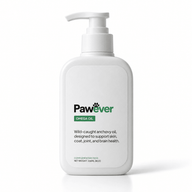


Old Cat Getting Skinny But Still Eating? What It Could Mean, Including Kidney Disease
Author: The Pawever Team • Last updated: August 2026
An old cat getting skinny but still eating is a classic early warning that something metabolic is going on — most often chronic kidney disease (CKD), an overactive thyroid, or diabetes. Losing weight despite a normal or even bigger appetite means the body isn’t absorbing or using nutrients properly.
Key takeaways
- Weight loss with a normal appetite in a senior cat needs investigating — it’s a red flag, not a given of ageing.
- The usual suspects are kidney disease (CKD), hyperthyroidism and diabetes — all more manageable when caught early.
- Early kidney disease in cats symptoms include increased thirst and urination, gradual weight loss, a fussier appetite over time, and lower energy.
- How long can a cat live with kidney disease? It depends heavily on stage — cats diagnosed early often live years (sources below).
- Supplements do not treat kidney disease. Any product should be discussed with your vet and used only for general quality-of-life support in suitable, stable cats.
In this guide
- What skinny-but-still-eating means
- Common causes of weight loss
- Kidney disease symptoms to know
- How kidney disease is diagnosed
- How long can a cat live with kidney disease?
- How kidney disease is managed
- Where supplements fit
- Questions we hear from cat parents
- Frequently asked questions
- References
- More questions?
“My old cat is getting skinny but still eating” — what it means
It’s one of the most common — and most worrying — things owners of senior cats notice. The food bowl empties, but your cat feels bonier along the spine and hips. That pattern, weight loss with a preserved appetite, points to the body struggling to use nutrients rather than simply not eating enough. Several conditions cause it, and the only way to know which is a vet exam with bloods and urine. The reassuring part: the common causes are manageable, especially early.
Common causes of weight loss in older cats
| Condition | Often also causes | Notes |
|---|---|---|
| Chronic kidney disease (CKD) | More drinking & urinating, gradual weight loss, fussy appetite | Very common in senior cats; slow-progressing |
| Hyperthyroidism | Big appetite, restlessness, vomiting, fast heart rate | Overactive thyroid; very treatable |
| Diabetes | More drinking & urinating, big appetite | Needs prompt veterinary management |
| GI disease / IBD / cancer | Vomiting, diarrhoea, appetite changes | Ranges from manageable to serious |
| Dental disease | Dropping food, pawing at mouth | Can quietly reduce intake |
Because several of these overlap, don’t try to self-diagnose from symptoms alone — a quick blood and urine panel usually gives a clear direction.
Kidney disease in cats: symptoms to know
Kidney disease cats develop is usually chronic — it comes on gradually, which is exactly why the early signs are easy to miss. Watch for:
Early signs
- Drinking more water than usual, and larger or more frequent clumps in the litter tray.
- Gradual weight loss — often the first thing owners notice.
- A slowly fussier appetite, or picking at food.
- Lower energy, less jumping, more sleeping.
More advanced signs
- Noticeable weight and muscle loss, bad breath, dehydration.
- Vomiting, poor appetite, weakness.
- Hiding or withdrawing from the household.
For a fuller walk-through, see our companion guide: Kidney Disease in Cats: Early Signs, Symptoms & Support.
How is kidney disease diagnosed?
Kidney disease can’t be confirmed from symptoms — it needs testing. Your vet will typically run:
- Blood tests — creatinine, urea (BUN) and SDMA, an early marker of kidney function.
- Urine tests — concentration and protein (a urine protein:creatinine ratio, or UPCR).
- Blood pressure, since hypertension often accompanies CKD.
From these, vets use the IRIS staging system (Stages 1–4) to describe how advanced the disease is — which matters a lot for what comes next, including prognosis.
How long can a cat live with kidney disease?
This is the question every owner asks, and the honest answer is: it depends heavily on the stage at diagnosis — which is why catching it early matters so much. Published figures give a realistic picture:
- The Cornell Feline Health Center notes cats diagnosed at IRIS Stage 2 have a mean survival of around two to three years, while those diagnosed at Stage 4 average under six months. [Source: Cornell Feline Health Center]
- A large study (Boyd et al., 2008, Journal of Veterinary Internal Medicine) found median survival of about 1,151 days (~3 years) at Stage 2b, ~778 days (~2 years) at Stage 3, and ~103 days at Stage 4.
Two important caveats. First, these are averages — individual cats vary enormously, and many well-managed cats outlive the numbers. Second, other factors change the outlook: cats losing more protein in their urine, or with higher blood phosphate or anaemia, tend to have a poorer prognosis. Regular monitoring with your vet is what tells you how your cat is actually tracking.
How kidney disease is managed
CKD management is led by your vet and is genuinely effective at improving comfort and slowing progression. It typically centres on:
- A therapeutic renal diet (lower phosphate, controlled protein) — the single most evidence-backed intervention.
- Hydration support — from water intake to subcutaneous fluids in some cases.
- Phosphate binders and blood-pressure medication where indicated.
- Anti-nausea and appetite support to keep your cat eating and comfortable.
Where supplements fit — and where they don’t
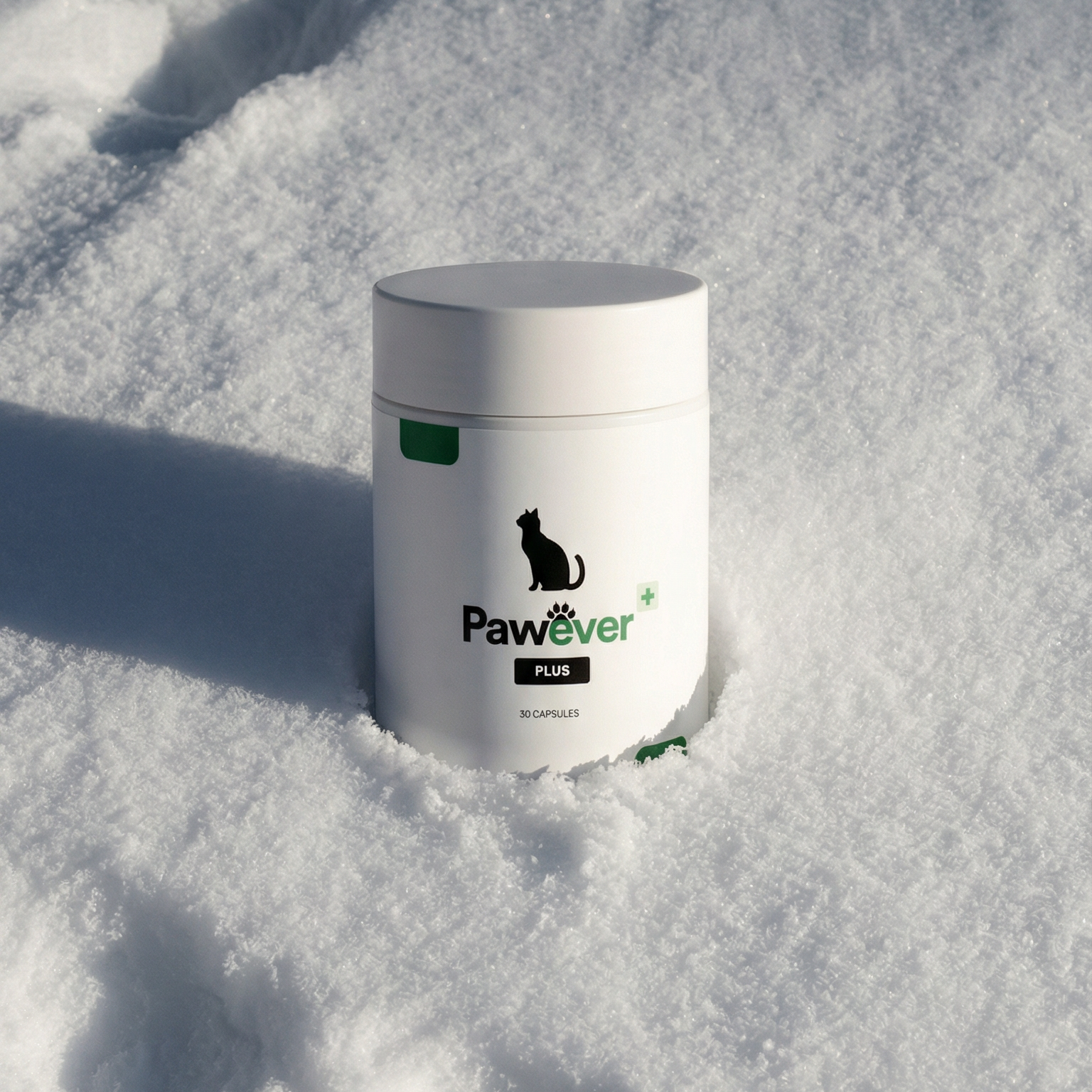
Let’s be clear and conservative here, because it matters. A wellness supplement does not treat, cure or manage kidney disease. Pawever Plus for Cats is a general healthy-ageing and joint-support supplement — it is not formulated to lower phosphate, and it is not a substitute for any part of a veterinary CKD plan.
So where might it fit? Many senior cats have more than one thing going on at once — kidney disease alongside decline in quality of life, ordinary stiffness, muscle loss and slowing-down of old age. Some owners of stable, well-managed cats choose to use a daily wellness supplement, with their vet’s knowledge, to support mobility, vitality and general comfort in that broader picture. The guardrails:
- Talk to your vet first, and share the full ingredient list — especially if your cat is on a renal diet, phosphate binder or other medication.
- It’s most relevant for early or stable disease where your cat is still eating reasonably well.
- Prioritise veterinary care if your cat is vomiting, dehydrated, off their food, or in a more advanced stage — and check before adding anything.
We have customers whose cats have CKD and help their cats quality of life with Pawever Plus. We generally guide that a Pawever Plus has capsule has:
Phosphorus: 5.2mg per serving
Sodium: 2.5mg per serving
If you’re focused on gentle daily support, our NMN for Cats is a simpler, single-active option some owners prefer to discuss with their vet.
Questions we hear from cat parents
Owners often ask us versions of the same thing — here’s how we answer, always pointing back to your vet:
- “Is it safe for my cat with kidney disease?” — It may be suitable for some stable, early-stage cats, but only your vet can weigh it against your cat’s stage, appetite, hydration and medications. Ask them to look over the label and note the guided phosphorous and sodium amount (5.2mg/2.5mg per serving).
- “My cat is on a phosphate binder — can I add this?” — Possibly, with veterinary approval, since timing and the overall plan matter.
- “He’s skinny, walks a bit wobbly on his back legs, on a renal diet — could this help him feel better?” — Where age-related decline, including stiffness, sits alongside CKD, the joint and vitality ingredients may support comfort, but a wobbly gait and weight loss also need a vet review first to rule out other issues.
Frequently asked questions
What are the early signs of kidney problems in cats?
Increased thirst and urination, gradual weight loss, a fussier appetite over time, and lower energy. Any of these in a senior cat is worth a vet check.
Is an old cat getting skinny but still eating always kidney disease?
No — it can also be hyperthyroidism, diabetes or GI disease, among others. A blood and urine test usually points to the cause quickly.
How long can a cat live with kidney disease?
It varies by stage. Cats diagnosed early (Stage 2) often live around two to three years on average, while later stages are shorter. Individual cats vary widely, and monitoring guides the outlook.
Can Pawever Plus for Cats help a cat with kidney disease?
It is not a kidney treatment. In some cats, with veterinary approval, owners use it for longevity, mobility and vitality support where CKD sits alongside normal ageing. Always check with your vet first.
Try Pawever Plus for Cats today!
Try our NMN for Cats today!
References
- Cornell Feline Health Center — Chronic Kidney Disease: https://www.vet.cornell.edu/departments-centers-and-institutes/cornell-feline-health-center/health-information/feline-health-topics/chronic-kidney-disease
- Boyd et al. (2008), Survival in Cats with Naturally Occurring CKD, J Vet Intern Med: https://pubmed.ncbi.nlm.nih.gov/18691369/
More questions?
- Kidney disease in cats — early signs → https://pawever.com/blogs/news/kidney-disease-in-cats-early-signs-symptoms-support
- Taurine in cats → https://pawever.com/blogs/news/taurine-in-cats-deficiency-symptoms-risks-and-the-right-taurine-supplement-for-cats
- Senior cat supplements → https://pawever.com/blogs/news/senior-cat-supplements-nad-nmn-and-longevity-options-reviewed
This product is not intended to diagnose, treat, cure, or prevent any disease. Always consult your veterinarian before starting any supplement, especially for a pet with a diagnosed health condition or on medication.










Leave a comment
This site is protected by hCaptcha and the hCaptcha Privacy Policy and Terms of Service apply.