


CoQ10 for Cats: Dosage, Benefits, Best Forms and Safety
Author: The Pawever Team • Last updated: August 2026
CoQ10 (coenzyme Q10) is a vitamin-like antioxidant that helps cells produce energy and protects them from oxidative stress. In cats it’s used mainly to support heart function and healthy ageing.
A commonly used supportive range is about 1–3 mg/kg per day, given with food — though as with any supplement always, confirm with your vet, especially for a cat with a heart condition.
Quick answers
- What it is: a vitamin-like compound your cat’s cells use to make energy, and a cellular antioxidant.
- CoQ10 for cats dosage: commonly ~1–3 mg/kg/day with food; vet-guided for cardiac patients.
- Best forms: ubiquinol (more bioavailable, often preferred for seniors) or ubiquinone; oil-based delivery aids absorption.
- Benefits: supports cardiovascular health, cellular energy and healthy ageing.
- Side effects: generally well tolerated; occasional mild digestive upset.
In this guide
What is CoQ10, and why might a cat need it?
Coenzyme Q10 sits inside the mitochondria — the “power plants” of every cell — where it helps convert food into usable energy (ATP). It also works as an antioxidant, mopping up the oxidative stress that rises with age and illness. Cats make their own CoQ10, but levels tend to decline with age and certain conditions, which is why CoQ10 for cats is of most interest for senior cats and heart support.
CoQ10 for cats dosage
A commonly cited supportive range is 1–3 mg/kg of body weight per day, given with food. In practice that’s often around 10–30 mg/day for an average adult cat.
Ubiquinol dosage for cats
Ubiquinol (the reduced, more absorbable form) is generally used in the same mg/kg range. Because the right amount depends on your cat’s weight, age and health, treat these as starting points and confirm with your vet — particularly for a cat with diagnosed heart disease, where dosing should be individualised.
How to give it
- Give with a meal containing some fat — CoQ10 is fat-soluble and absorbs better that way.
- Start low and assess tolerance over 1–2 weeks before adjusting.
- Oil-based softgels or liquids are usually easiest to dose accurately for cats.
CoQ10 benefits for feline heart health
The heart is one of the body’s most energy-hungry organs, so it relies heavily on CoQ10. That’s the basis for its use in feline heart health — supporting cardiac muscle energy and helping manage oxidative stress in cardiovascular tissue.
An important honesty point: CoQ10 is best thought of as supportive, an adjunct to — never a replacement for — veterinary diagnostics and any prescribed cardiac medication.
How does CoQ10 benefit older cats?
Older cats commonly “slow down” — less play, less jumping, more sleeping. Because CoQ10 underpins mitochondrial energy production, it’s often used to support vitality and resilience in senior cats. It works best on strong foundations: a complete diet, good dental health, hydration and routine senior bloodwork. A supplement supports the machinery; it doesn’t replace the basics.
Ubiquinone vs ubiquinol: the best CoQ10 forms for cats
| Form | What it is | Best for |
|---|---|---|
| Ubiquinone | The oxidised form; common, affordable | General support; budget-friendly |
| Ubiquinol | The reduced, more bioavailable form | Older cats; when absorption is a priority |
Delivery matters as much as form: oil-based softgels or liquids generally absorb better than dry powders. For senior cats, a well-formulated ubiquinol in an oil base is often the most practical high-absorption choice.
Side effects of CoQ10 in cats
CoQ10 is generally well tolerated. When side effects occur, they’re usually mild and digestive:
- Soft stool, mild nausea or reduced appetite — often dose-related.
- Occasional refusal on taste or texture.
You can usually reduce these by starting at a lower dose and giving it with food.
Best CoQ10 supplements for cats available online: how to choose
Rather than chasing a brand name, use a checklist — the same standards separate a premium CoQ10 for cats product from a weak one:
- Exact mg per serving stated (ubiquinol or ubiquinone specified) — no vague blends.
- Independent, batch-level testing for purity and label accuracy.
- No xylitol or unnecessary sweeteners, and minimal fillers.
- Cat-appropriate dosing so you can give small, accurate amounts.
- Reputable seller, clear freshness/expiry, and a guarantee.
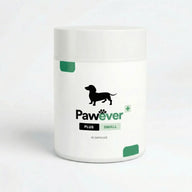
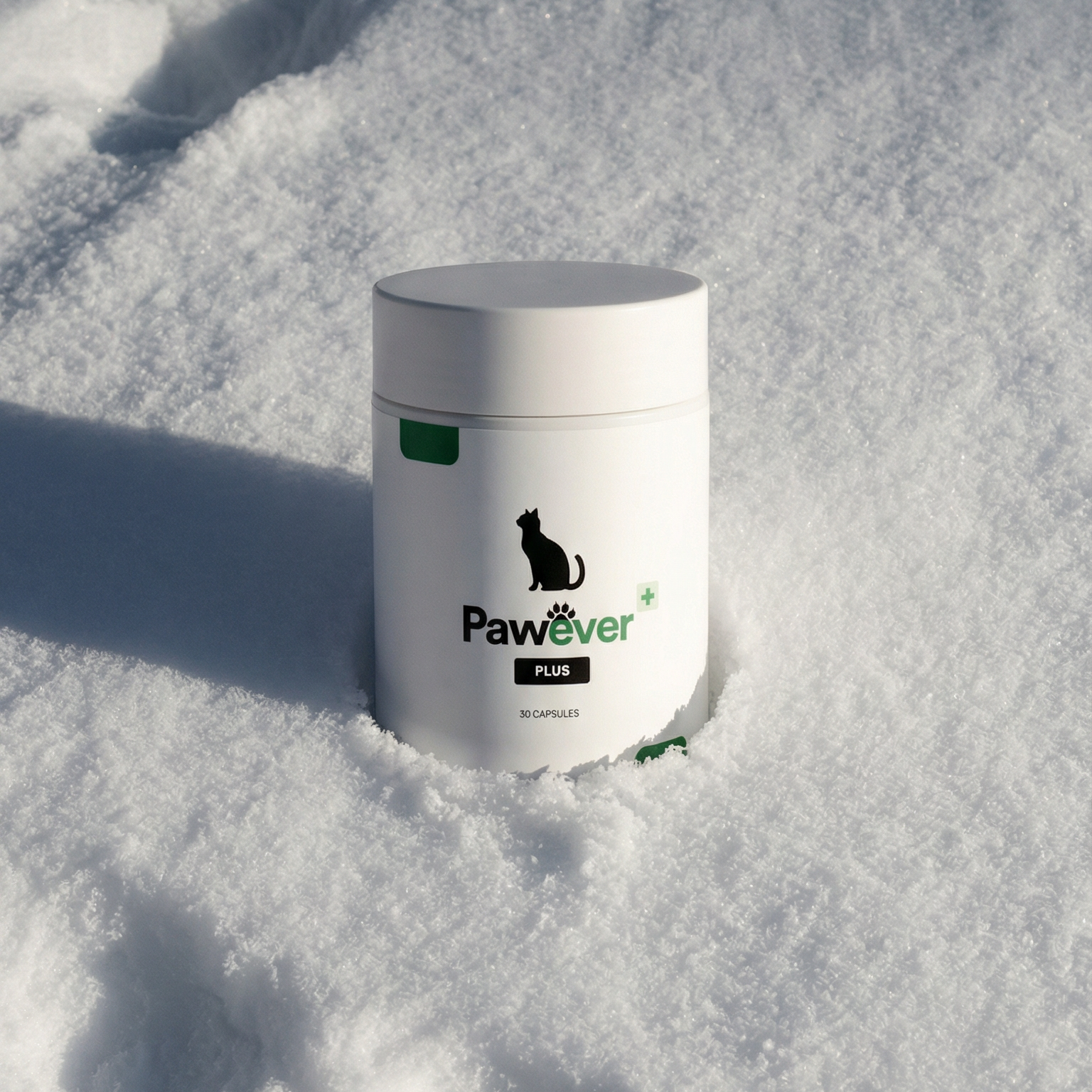
A note on where CoQ10 fits at Pawever: Pawever Plus for Cats includes 10 mg of CoQ10 as part of a broader daily longevity and joint formula — alongside NMN, taurine, L-carnitine and joint actives. It’s designed for whole-cat healthy-ageing support rather than as a high-dose, single-ingredient cardiac product.
If your vet wants a specific, higher CoQ10 dose for a diagnosed heart condition, that’s a conversation to have with them about a dedicated single-active product.
Every Pawever batch is independently lab-tested, and there’s a 60-day money-back guarantee.
You can see how CoQ10 works with the rest of the formula in our overview of senior cat supplements: NAD, NMN and longevity options.
Frequently asked questions
What is the CoQ10 dosage for cats?
A commonly used supportive range is about 1–3 mg/kg per day with food (often ~10–30 mg/day for an average cat). It isn’t formally established, so confirm with your vet, especially for cardiac patients.
Is ubiquinol better than ubiquinone for cats?
Ubiquinol is the more bioavailable form and is often preferred for older cats. Both can be effective; delivery (oil-based) and quality matter too.
Does CoQ10 help older cats?
It supports cellular energy and antioxidant defence, which is why it’s used for vitality and healthy ageing in senior cats — best alongside good diet, hydration and veterinary care.
Are there side effects of CoQ10 in cats?
It’s generally well tolerated; the main possibility is mild digestive upset, usually reduced by starting low and giving with food.
Want more information?
- Senior cat supplements / longevity → https://pawever.com/blogs/news/senior-cat-supplements-nad-nmn-and-longevity-options-reviewed
- NMN in cats → https://pawever.com/blogs/news/nmn-in-cats-best-nmn-supplement-longevity-supplement-for-cats
- Taurine in cats → https://pawever.com/blogs/news/taurine-in-cats-deficiency-symptoms-risks-and-the-right-taurine-supplement-for-cats
- Pawever Plus for Cats (product) → https://pawever.com/products/pawever-plus-for-cats
This product is not intended to diagnose, treat, cure, or prevent any disease. Always consult your veterinarian before starting any supplement, especially for a pet with a diagnosed health condition or on medication.










Leave a comment
This site is protected by hCaptcha and the hCaptcha Privacy Policy and Terms of Service apply.